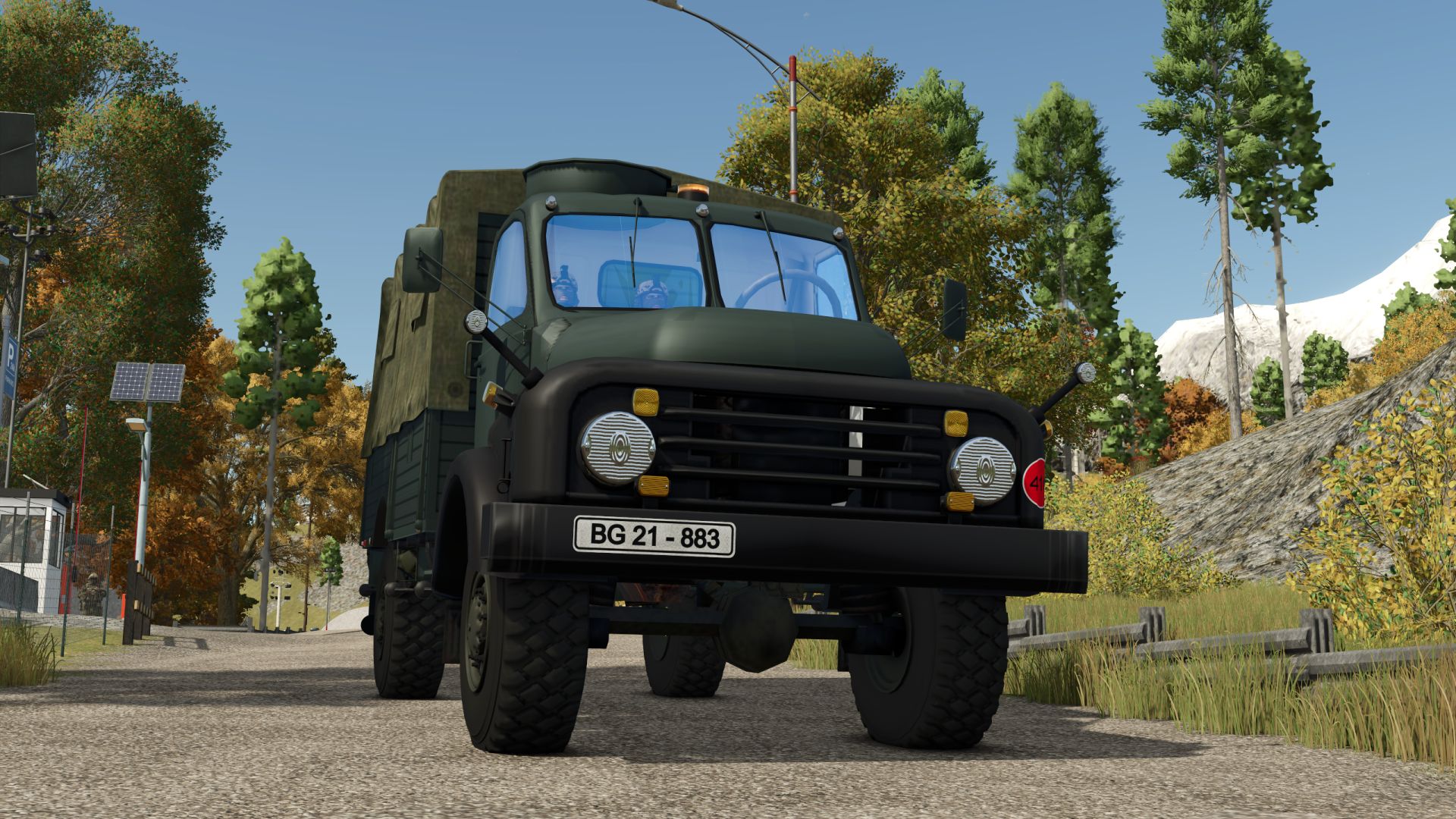
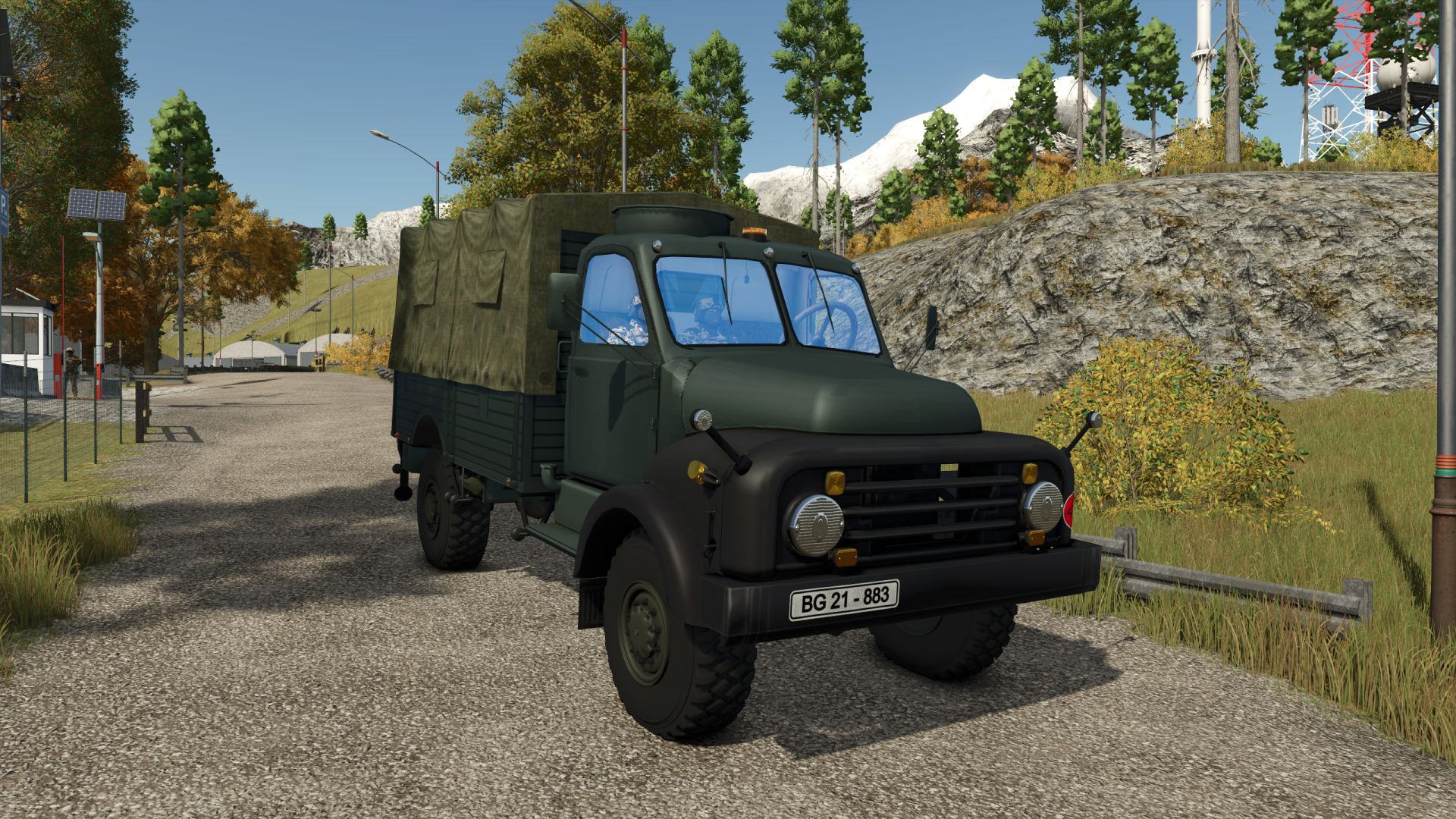
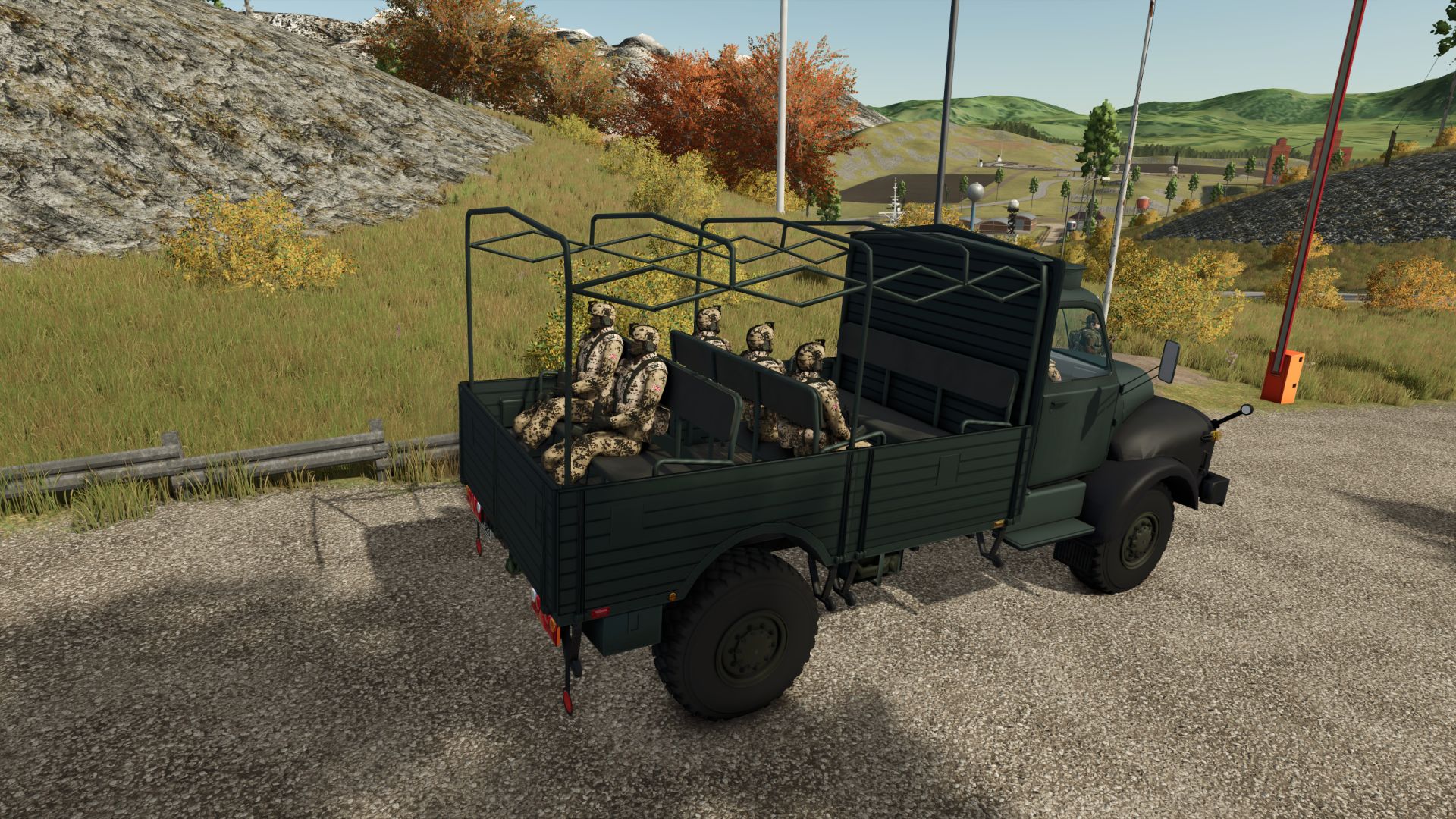
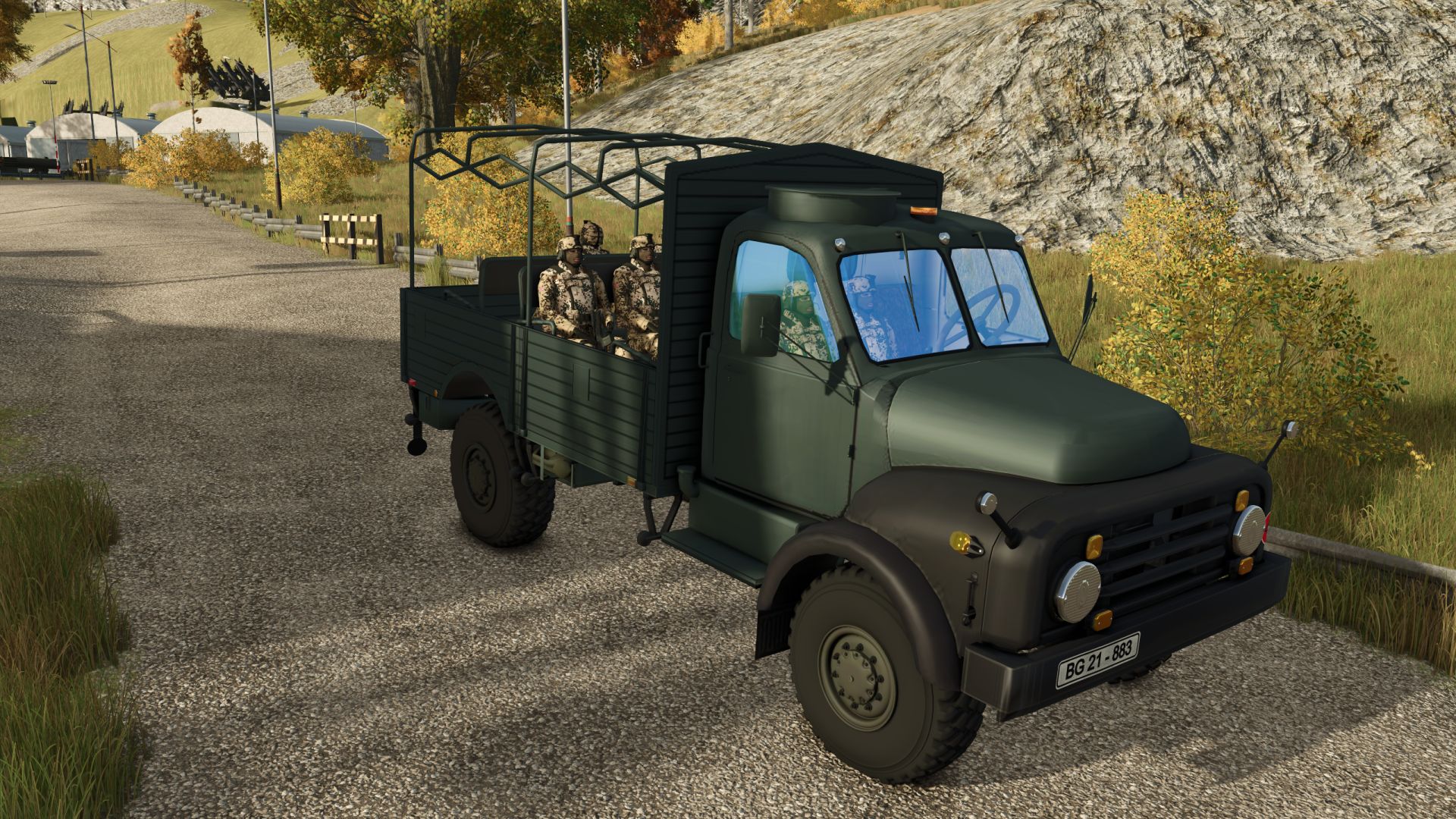
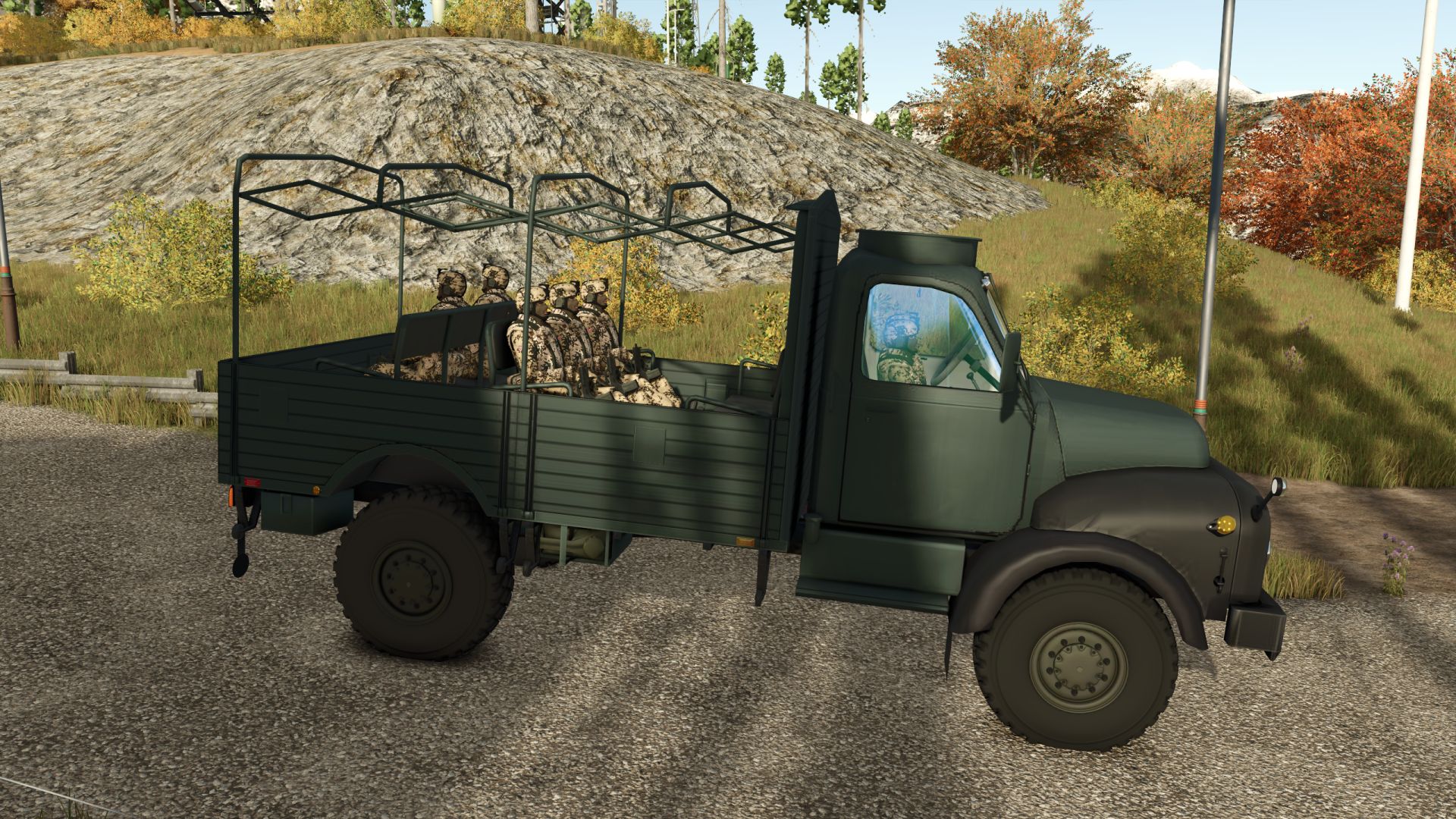
Borgward began building trucks in 1937, supplying vehicles of up to five tonnes payload until the start of the Second World War in 1939, including the 3-tonne Borgward G. G. W. truck, available with a petrol or diesel engine.
A large contingent of these trucks was requisitioned by the Wehrmacht. Initially, production of the regular truck range continued. In 1940, German truck manufacturers were ordered to reduce the number of different models to focus on the production of simplified ‘standard’ trucks with a payload of around three tons.
From 1942, production of the successor began. This new “Einheits-LKW” (standard truck) was a 3-ton truck with the official designation Borgward B 3000 S/O (with a 3.7 liter, 78 hp gasoline engine) or Borgward B 3000 S/D respectively (with a 5 liter, 75 hp diesel engine, both with six cylinders). To save raw materials, the trucks were further simplified by measures such as dropping the diamond-shaped Borgward plate into the grille or replacing the steel cab with a standard wooden cab (“Einheitsführerhaus”).
The B 3000 was an adequate vehicle, but the lighter Opel ‘Blitz’ V 3000 proved superior.