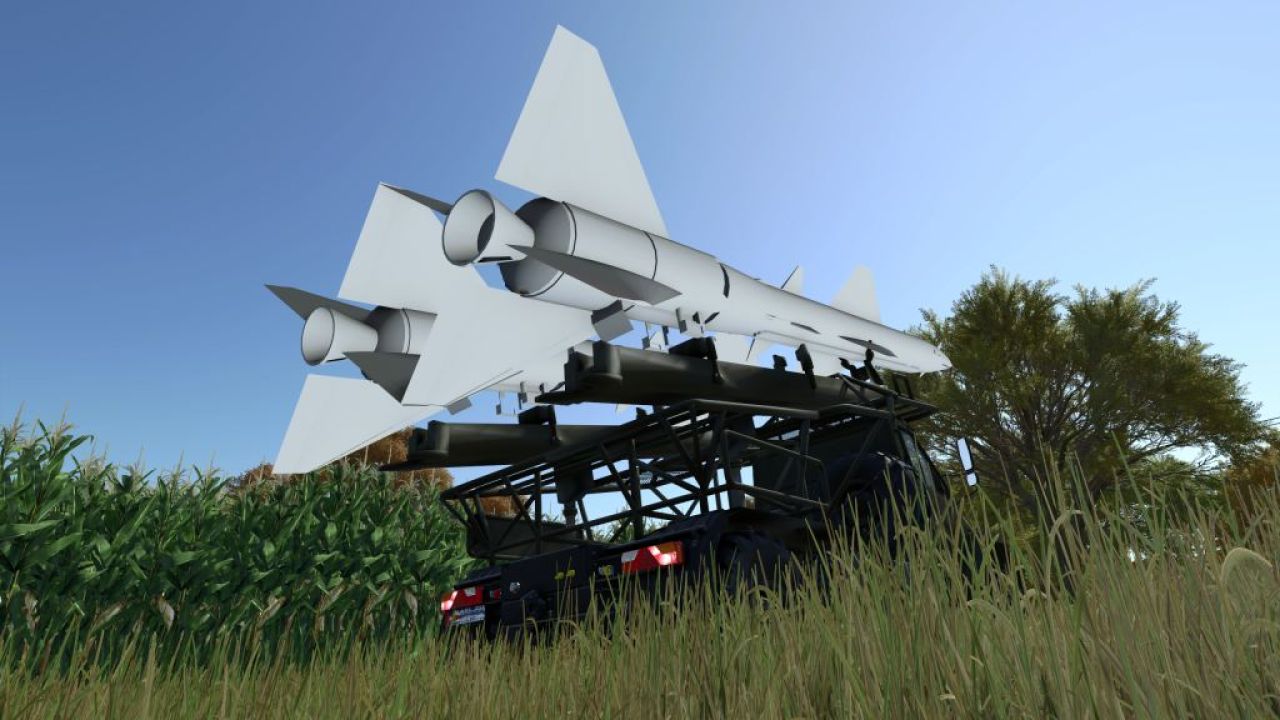
Tactical Innovation in Cuba: The Ural Next Surface-to-Air Missile Launcher Platform
Introduction and Concept Origin
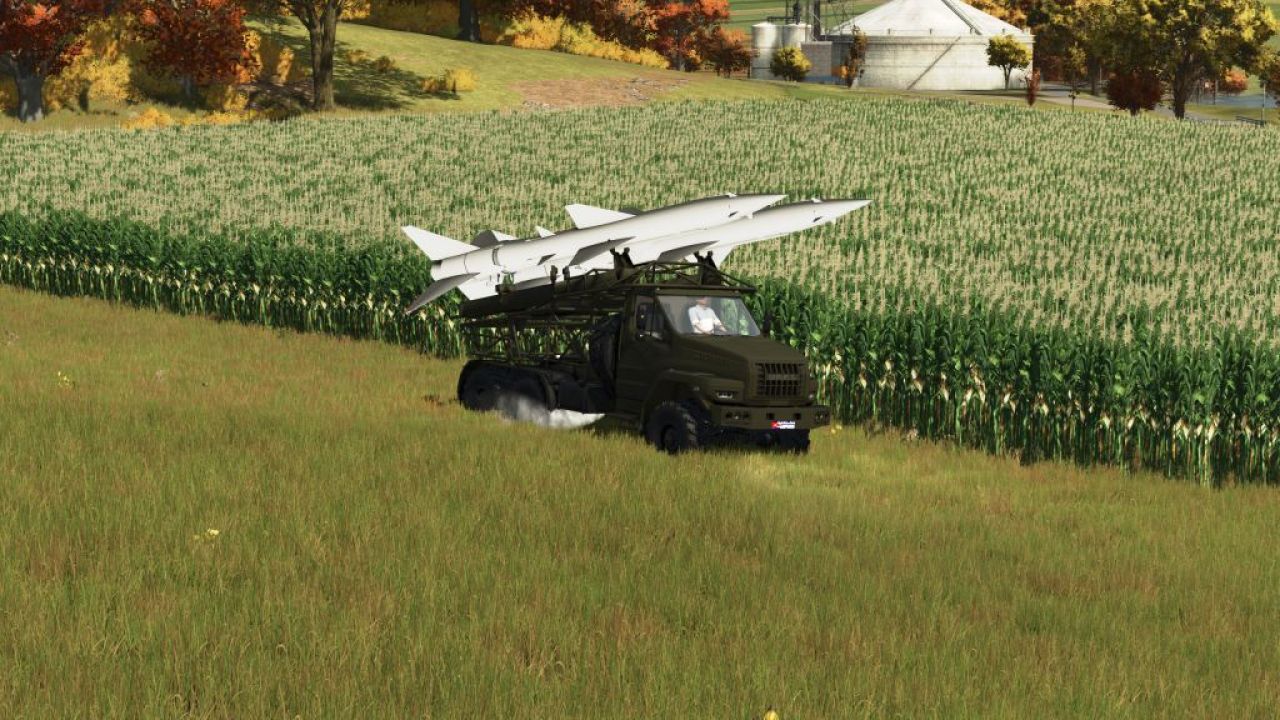
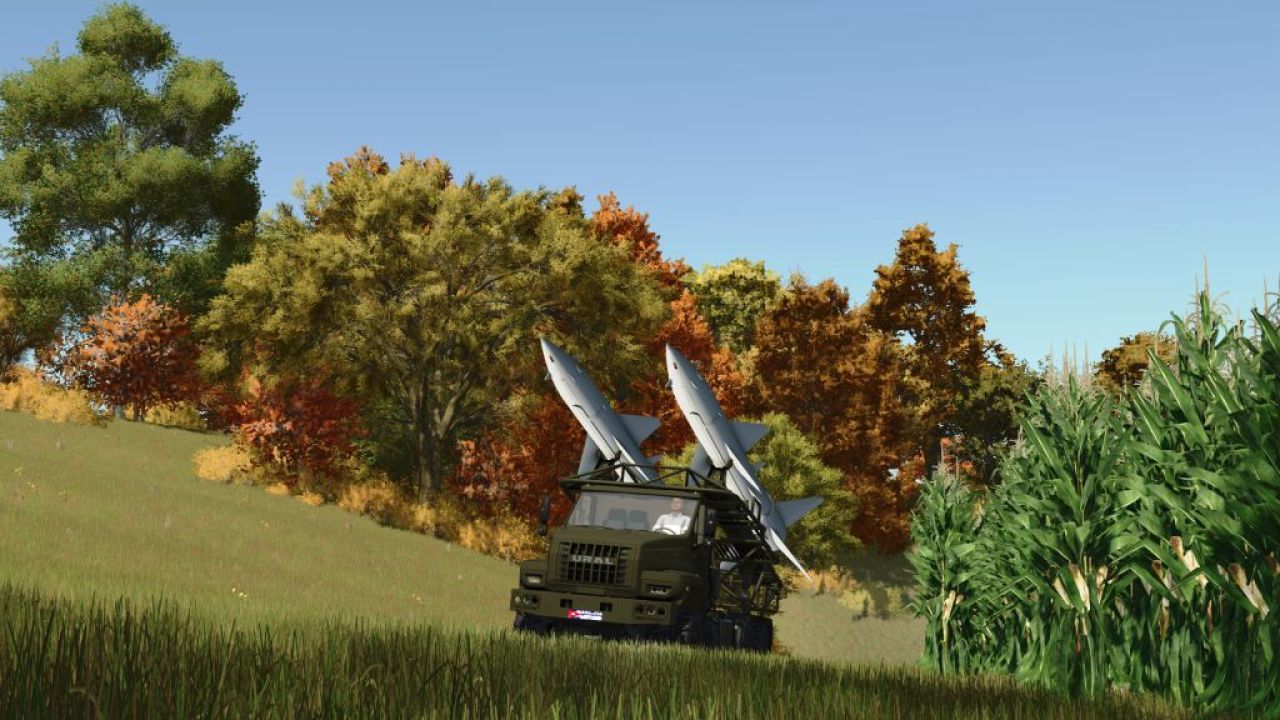
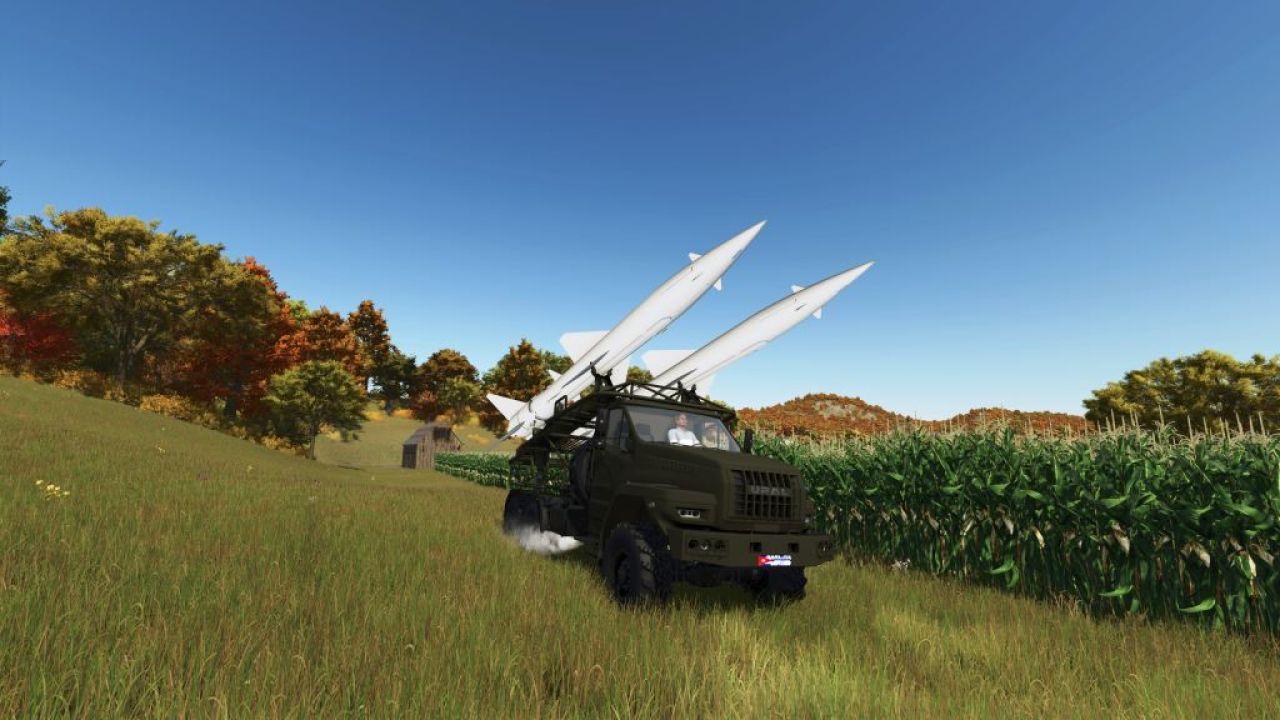
In Cuba, military engineers and innovators continuously adapt available heavy transport platforms to meet modern tactical requirements through localized ingenuity. This custom conversion mounts a heavy dual-rail surface-to-air missile guidance system onto a rugged Ural Next 6×6 chassis. By retrofitting standard heavy-duty utility trucks with strategic surface-to-air missile payloads, this Cuban innovation demonstrates a pragmatic approach to mobile air defense and asymmetric tactical support.
Technical Characteristics of the Cuban Conversion
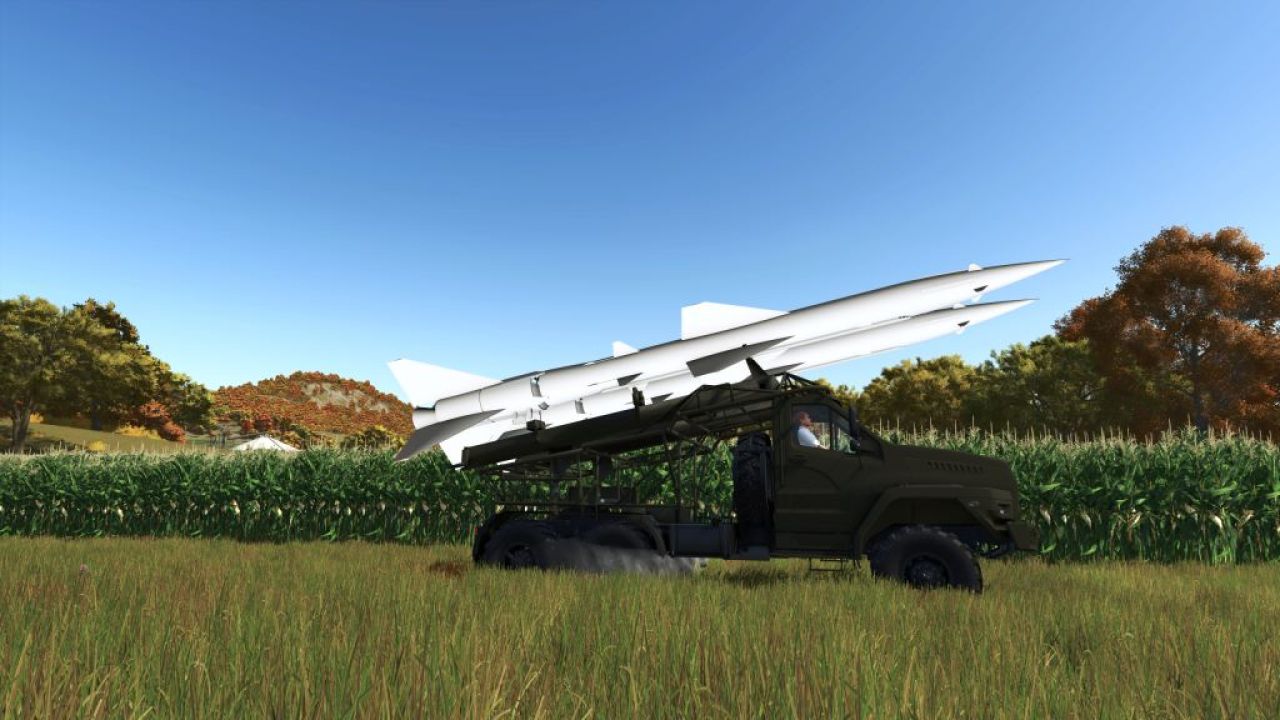
Chassis and Mobility: Utilizing the robust Ural Next platform provides exceptional off-road mobility across rugged terrains, rural tracks, and unpaved roads typical of field operations in Cuba. Its powerful diesel engine and high-clearance all-terrain suspension allow it to reposition rapidly to avoid counter-battery or preemptive strikes.
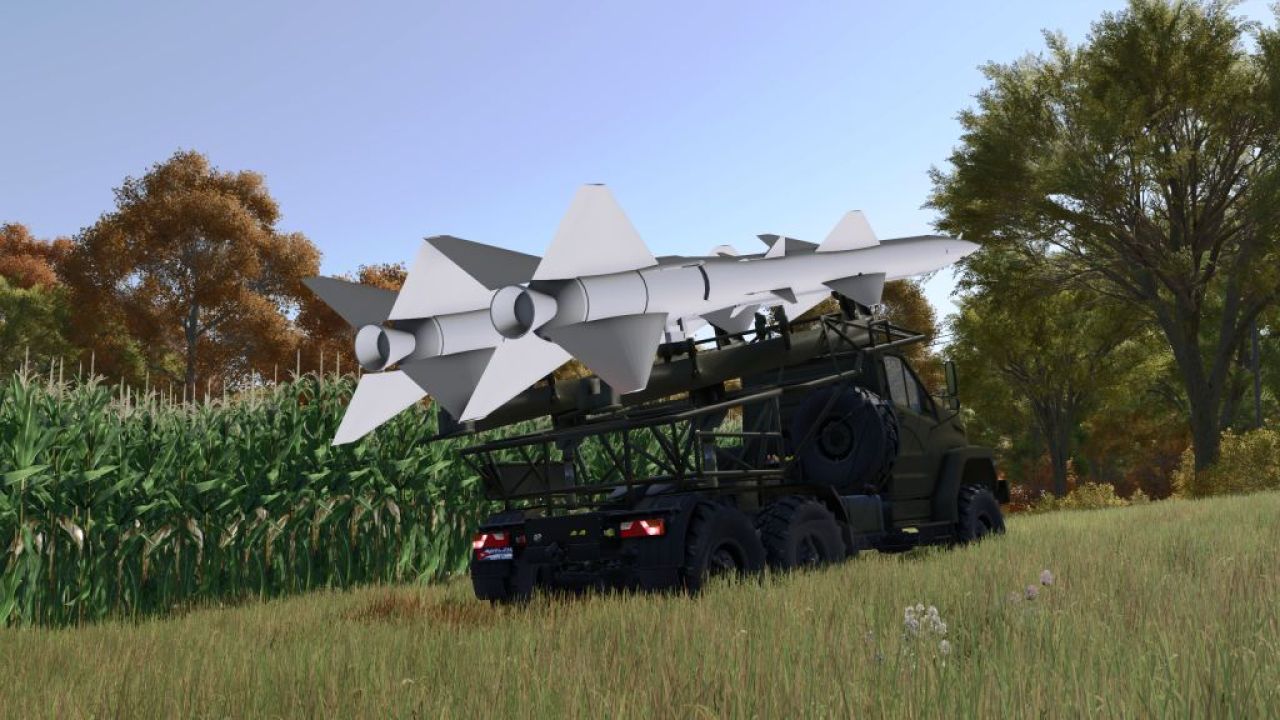
Missile Payload and Launch Rails: The rear bed is heavily modified to support a dual-rail launcher framework carrying large guided missiles (resembling heavy surface-to-air or coastal defense configurations). This setup transforms a standard logistics vehicle into a formidable mobile launcher capable of projecting defensive or tactical deterrence.
Structural Reinforcement: To handle the substantial weight, recoil forces, and physical stress of large missile systems, the vehicle bed features custom-welded bracing, reinforced mounting points, and structural support frames.
Strategic Impact and Local Ingenuity
Asymmetric Defense Capability: Developed locally in Cuba, this mobile missile platform maximizes the utility of existing automotive fleets, allowing armed forces to field flexible, mobile air-defense or anti-access assets without relying exclusively on expensive, factory-built tracked transporter-erector-launchers (TELs).
Enhanced Survivability through Mobility: By mounting heavy armaments on conventional, high-mobility trucks, the system benefits from a high degree of operational camouflage and ease of concealment among civilian or logistics traffic, significantly increasing battlefield survivability.