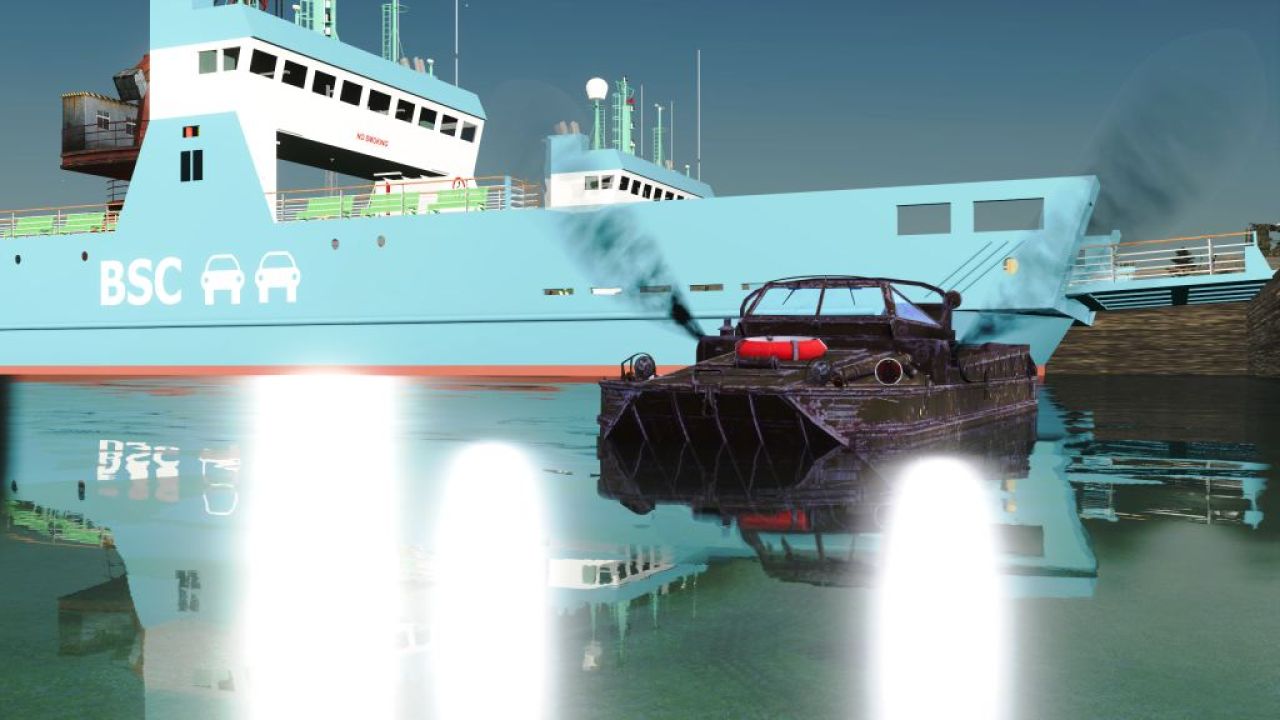
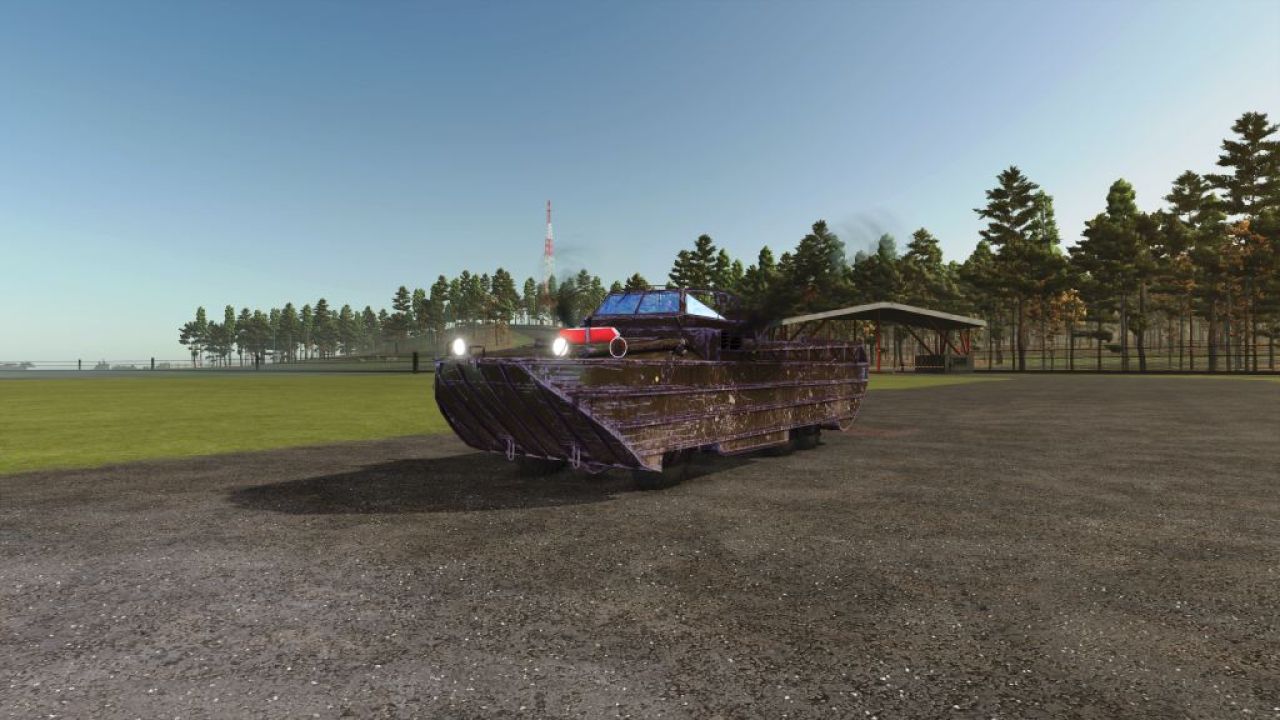
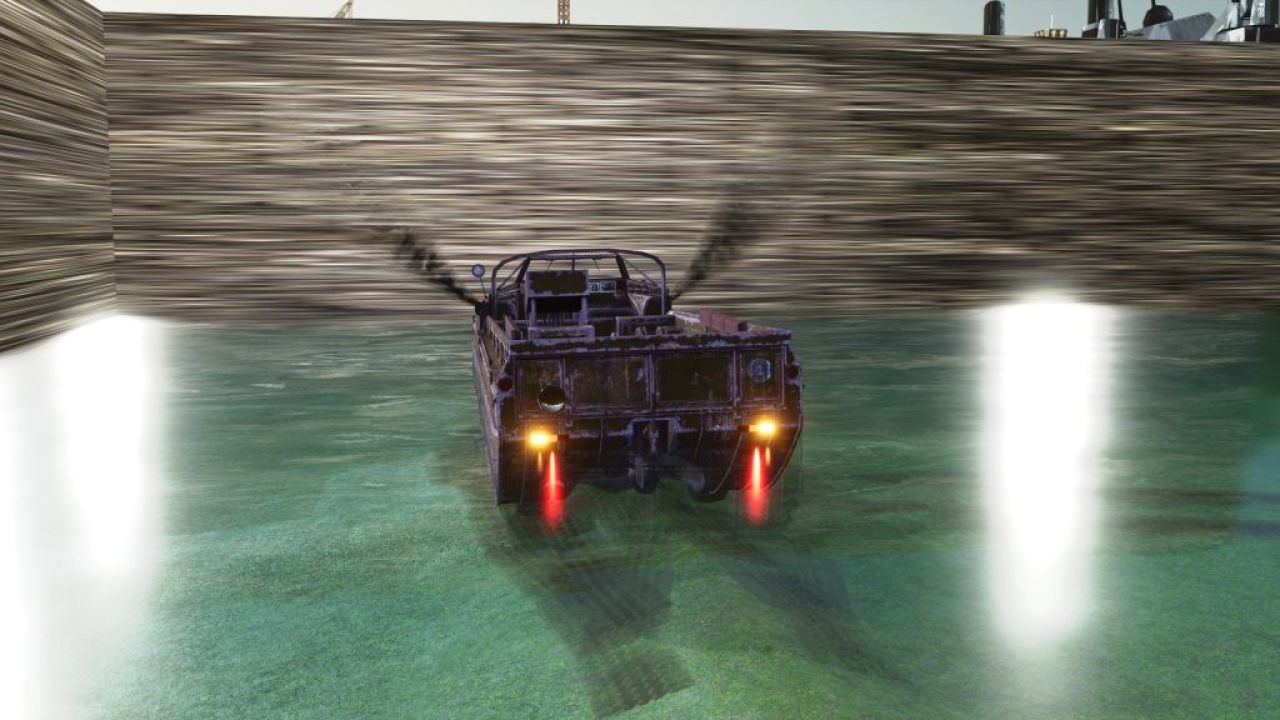
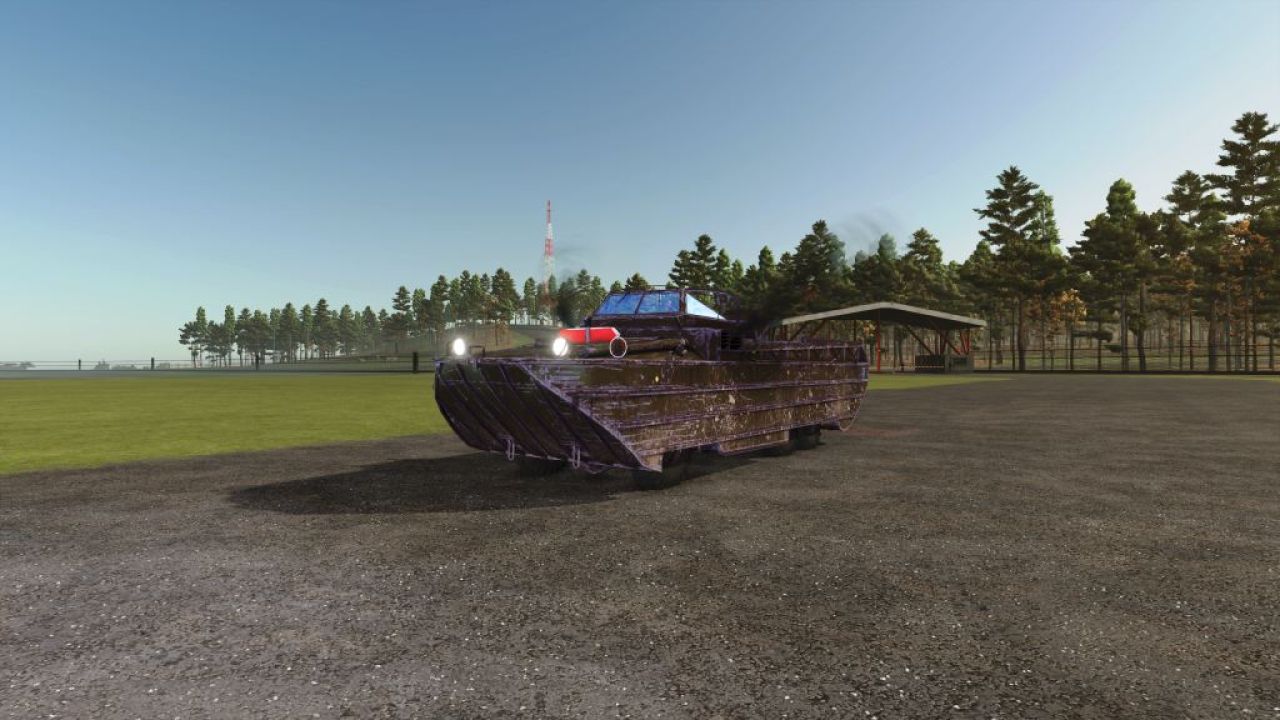
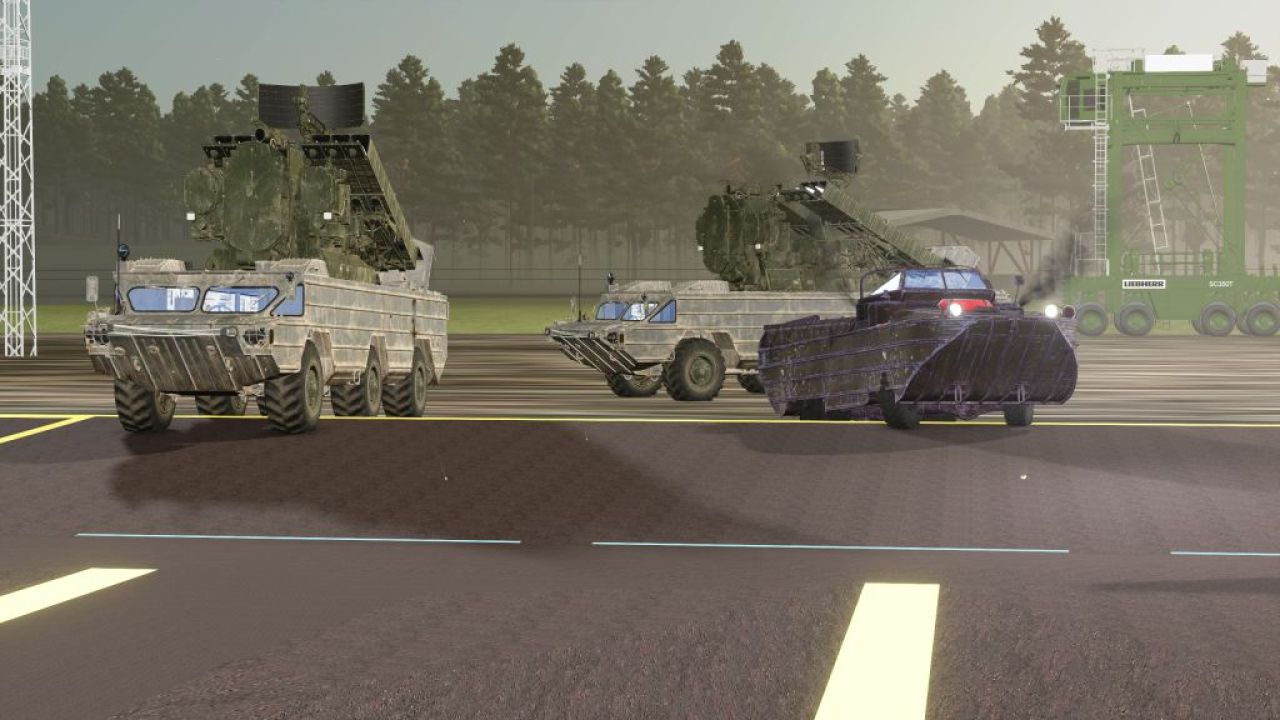
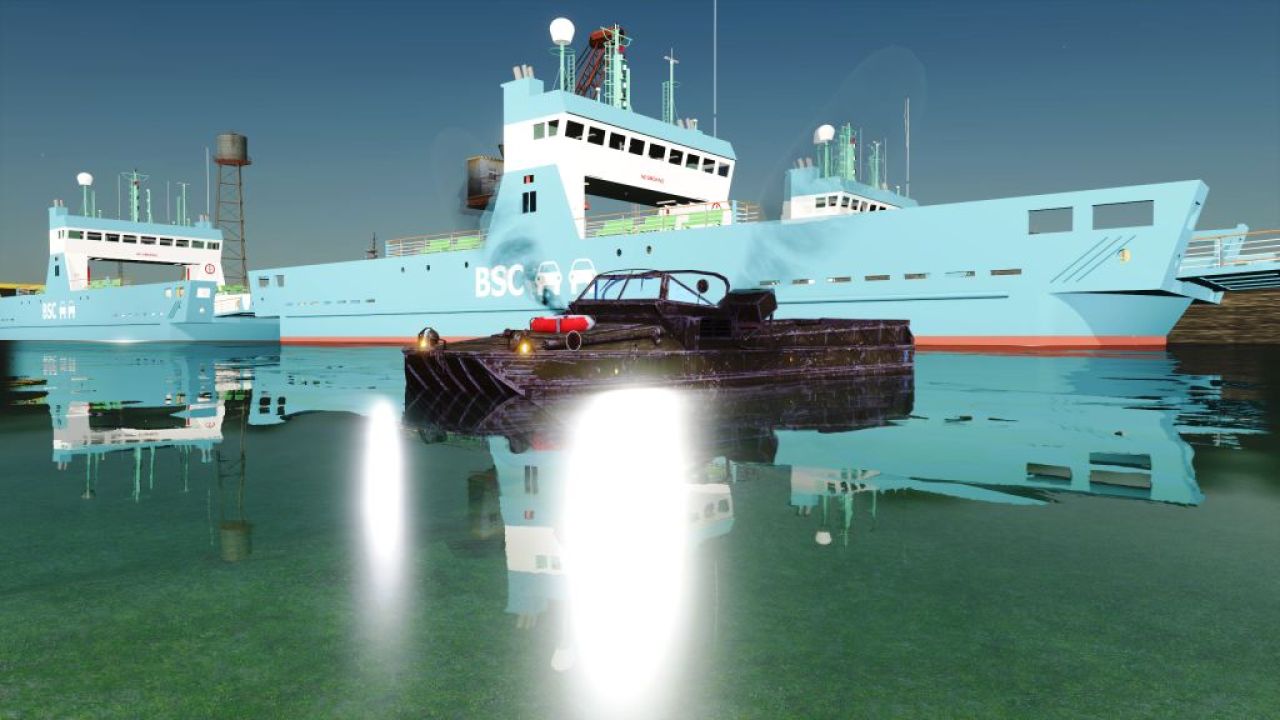
BAV-485 (ZIS-485 / ZIL-485) Amphibious Transport: Technical and Operational Overview
Technical Characteristics
6×6 Heavy Amphibious Chassis: Built upon a specialized watertight steel boat-hull architecture integrated with heavy multi-axle truck platforms (derived initially from the ZIS-151 and later updated using ZIL-157 components as the ZIS-485A / BAV-A).
Propulsion System: Equipped with dual operational capabilities—a standard multi-speed automotive transmission for land mobility and a dedicated power take-off (PTO) marine propeller drive paired with rudders for water navigation.
Cargo and Access Layout: Features a large open-deck cargo bay complete with a rear loading gate (improving upon earlier WW2 designs like the US DUKW) and an internal bilge pumping system to manage water displacement while afloat.
Tactical and Operational Utility
River Crossings and Amphibious Assaults: Designed primarily for motorized infantry and engineering units to force rapid wet-gap crossings, transporting troops, artillery systems, and heavy materiel directly from water to land.
Logistical Supply: Acts as an essential heavy ferry vehicle capable of bridging gaps where bridges are destroyed or absent during high-tempo operational maneuvers.
Strategic Importance
Post-Soviet Mobility Doctrine: Served as the standard Soviet amphibious truck through the Cold War until it was progressively replaced by larger tracked platforms like the PTS series.
Simulation and Modding Value: Represents a historically significant heavy amphibious transport that brings complex water-to-land logistics and specialized vehicle handling to simulation environments.