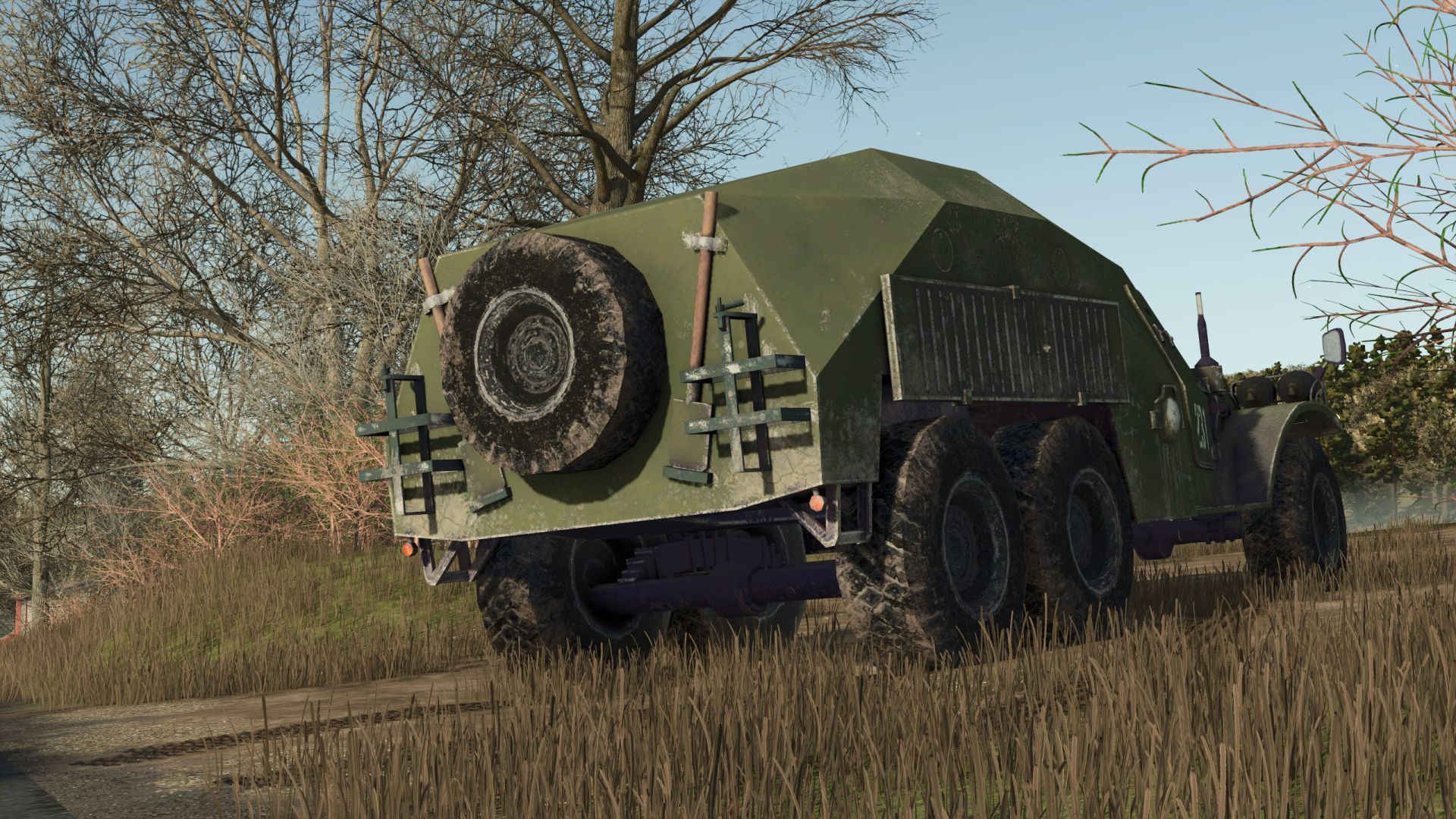
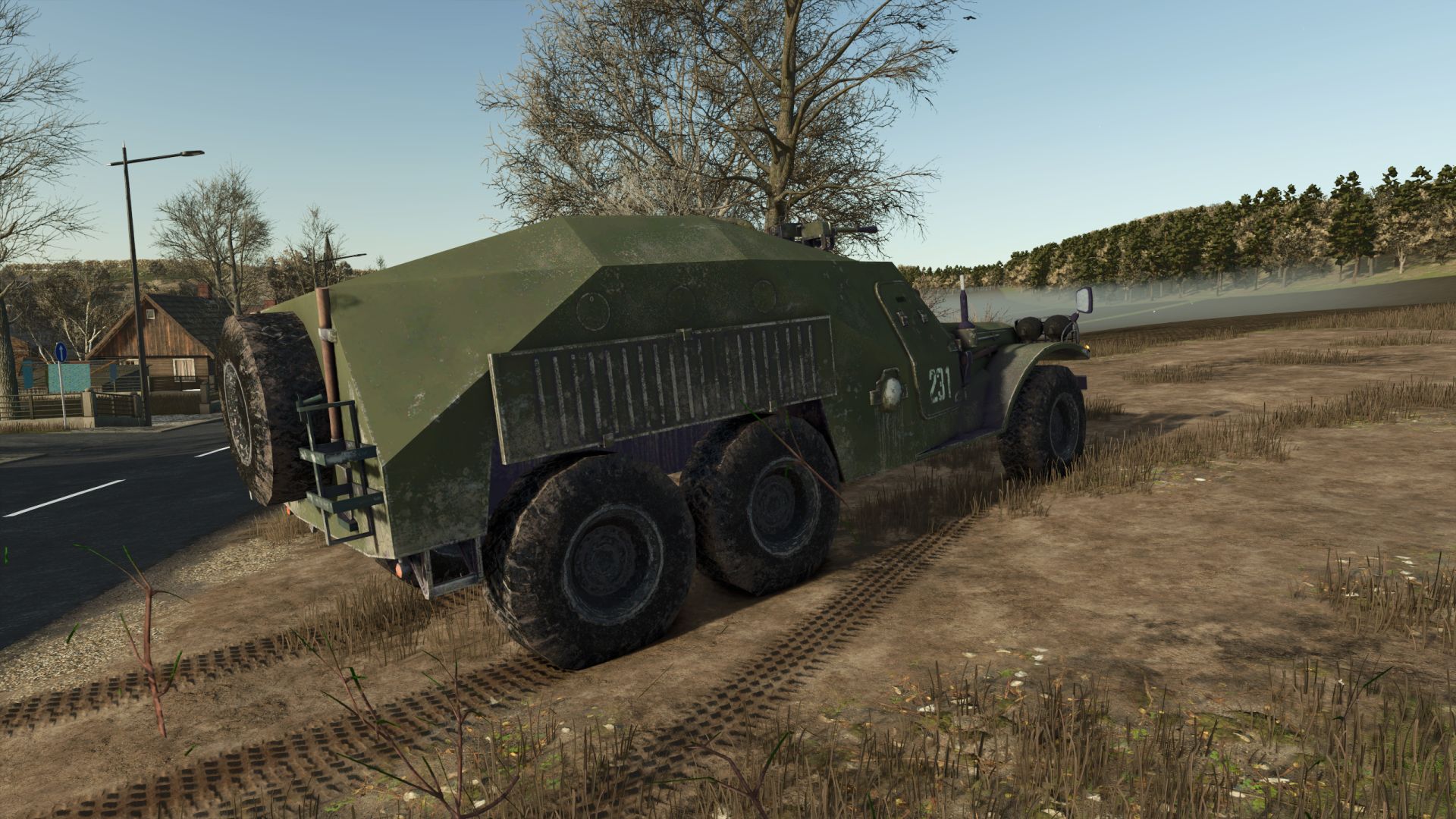
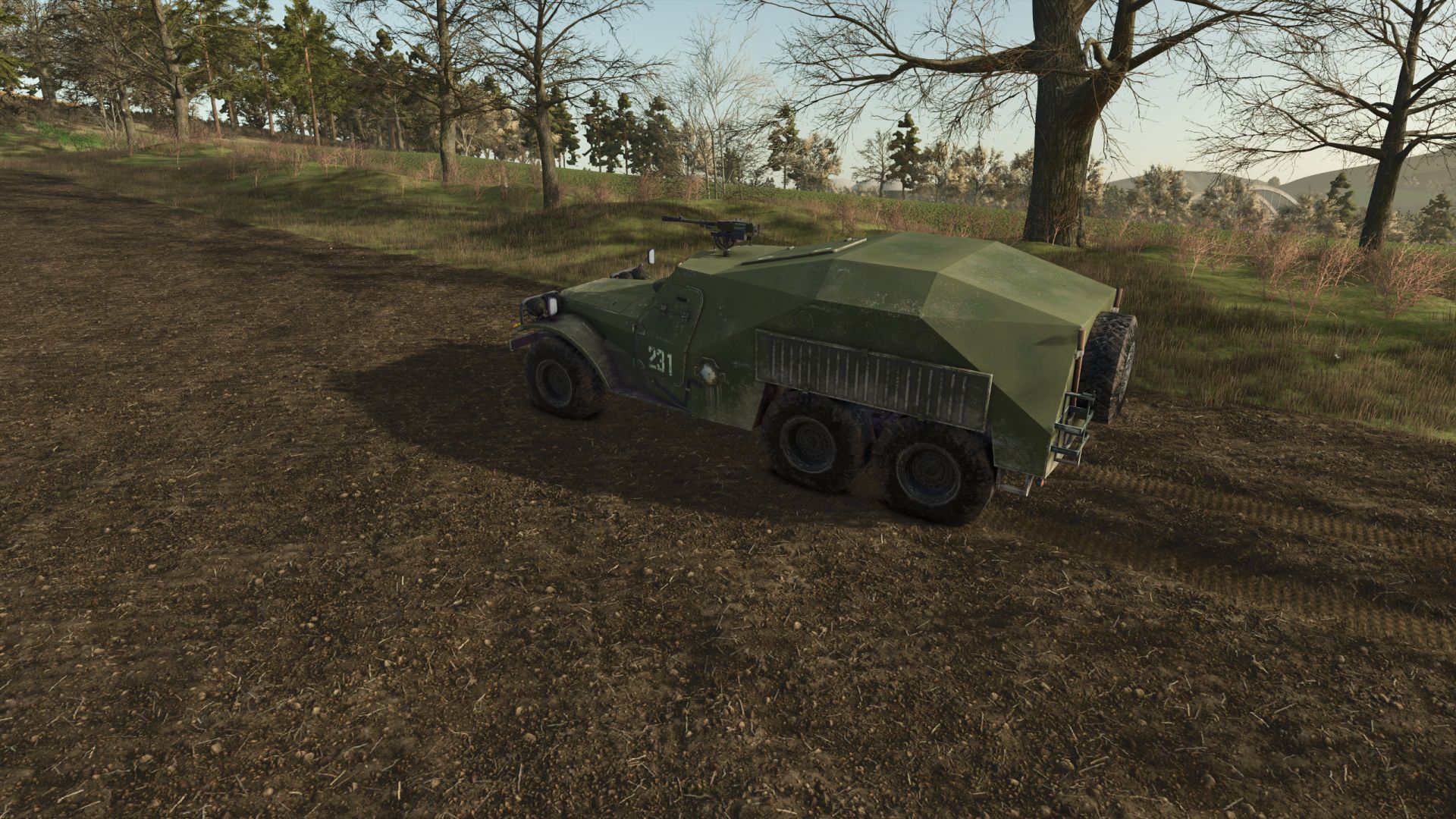
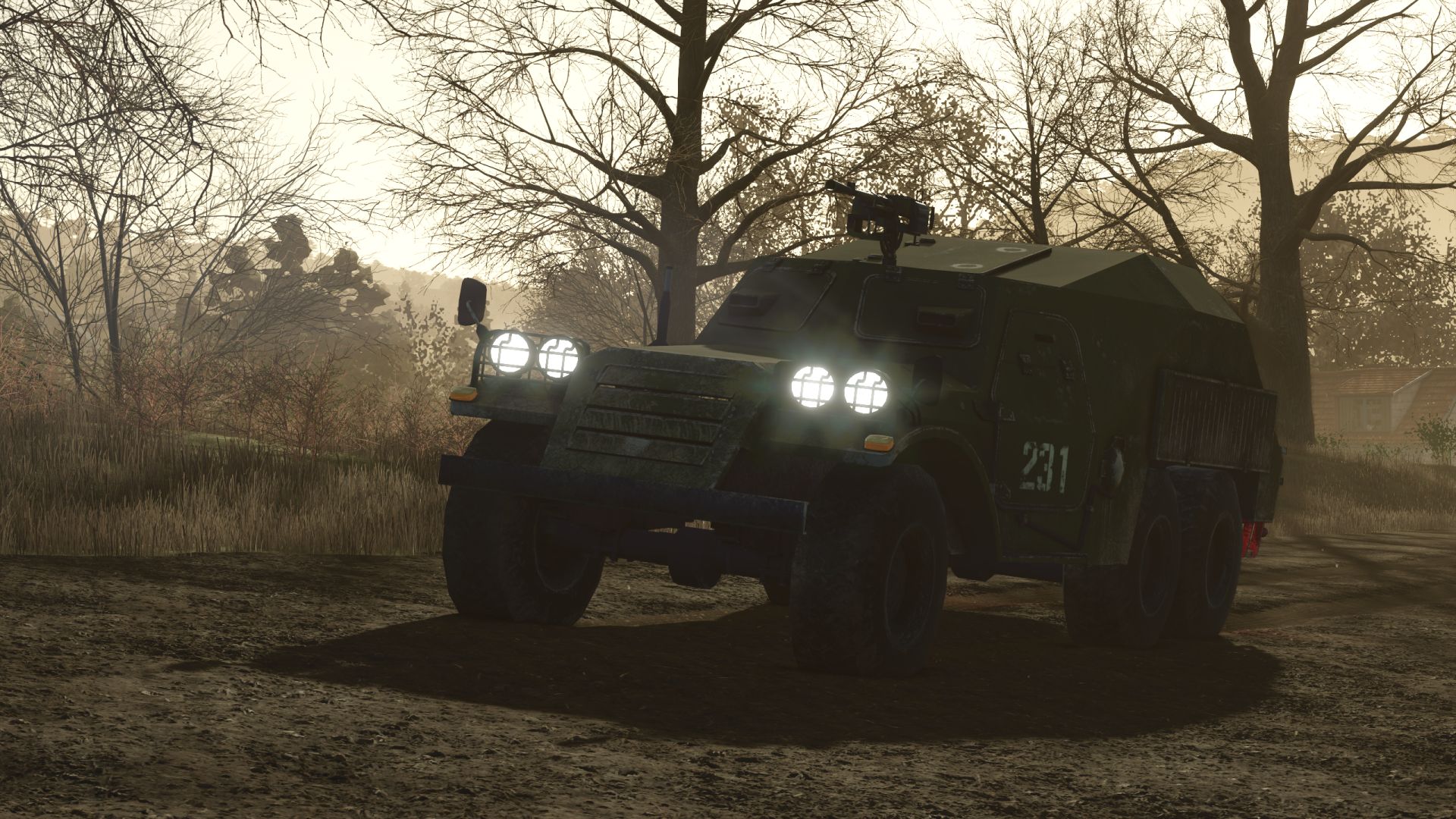
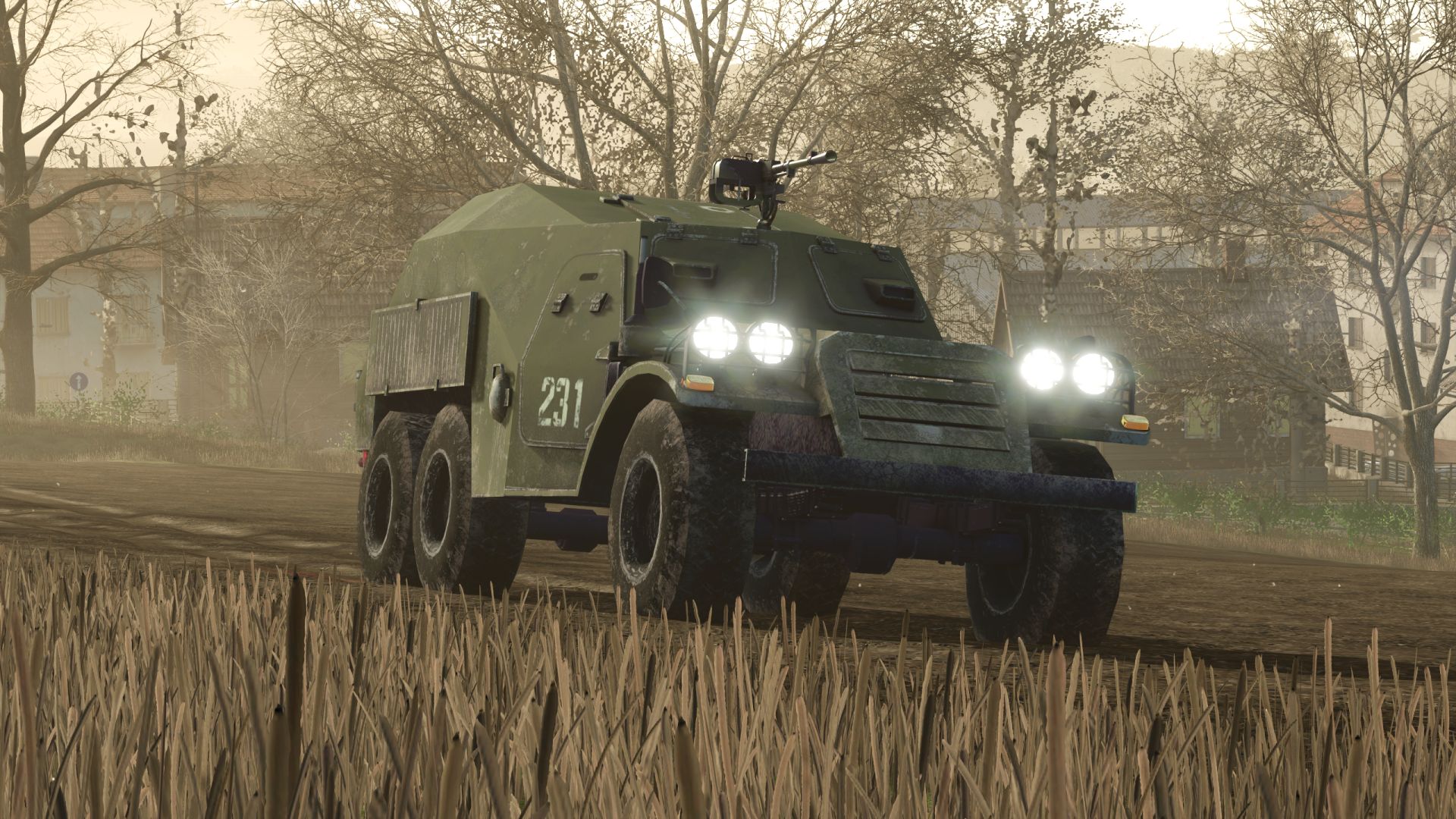
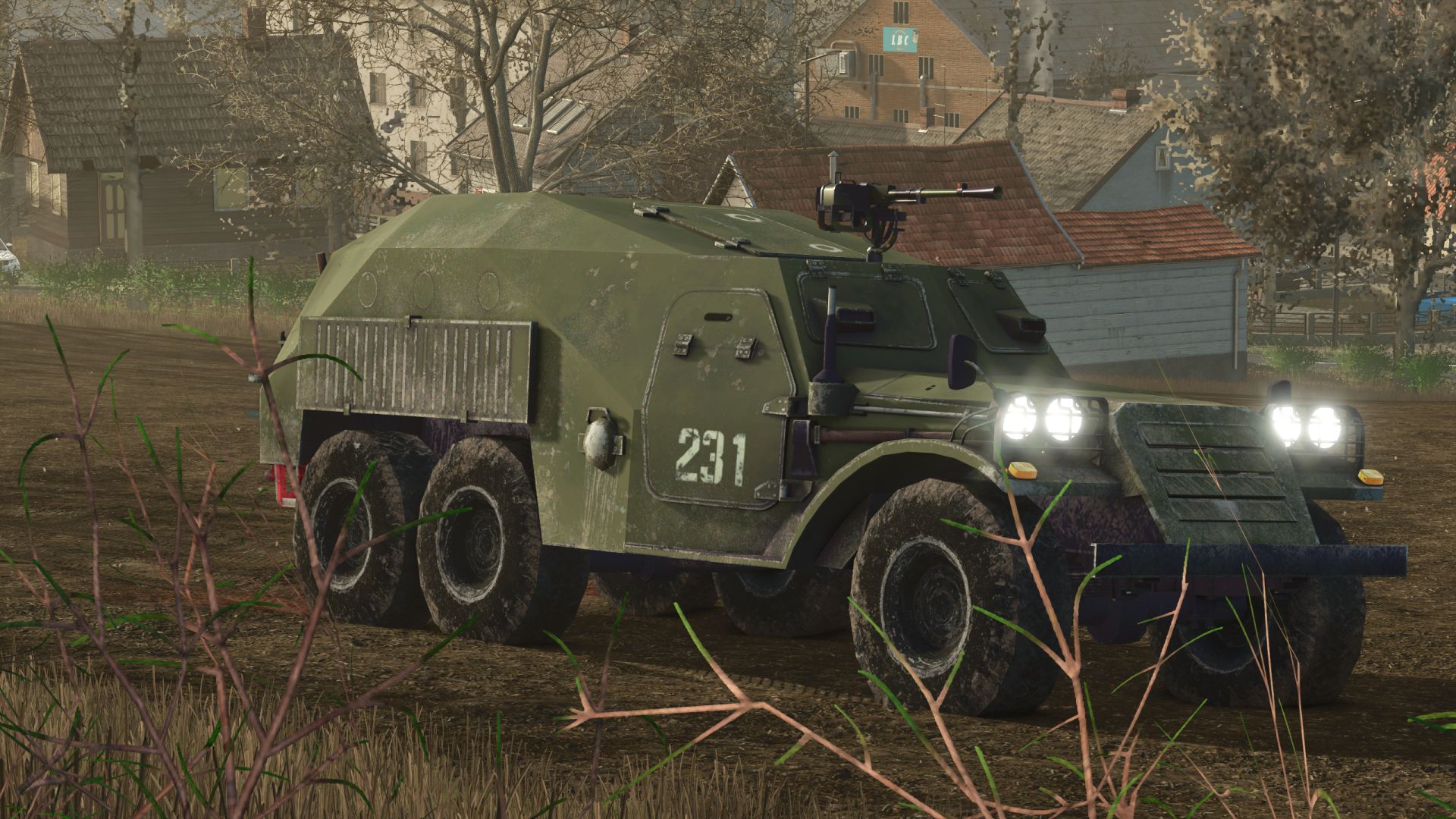
The BTR-152K is a specialized, modernized variant of the Soviet-era BTR-152, which was the first mass-produced armored personnel carrier (APC) used by the Soviet Army. The “K” suffix denotes the specific improvement of adding an armored roof, transforming the original open-topped design into a fully enclosed vehicle.
Summary
The BTR-152K represents a crucial step in the evolution of Soviet armored troop transport. By adding an armored roof and a ventilation system, the Soviets addressed the primary vulnerability of earlier models: exposure to small arms fire, grenades, and radioactive fallout from tactical nuclear weapons. While eventually replaced by the amphibious BTR-60, the BTR-152K remained a vital, cost-effective transport for motorized rifle units for many years.
Technical Characteristics
Chassis: Based on the ZIL-157 truck chassis, which provided excellent off-road performance through a high-mobility 6×6 drivetrain.
Protection: The key feature of the “K” model is the hard-top armored roof. This modification significantly increased the safety of the interior crew but necessitated the installation of an internal ventilation system to manage the heat and fumes generated by the engine and the occupants.
Crew & Capacity: It could typically transport up to two crew members (driver and commander) and approximately 13 to 15 fully equipped infantry soldiers.
Armament: Usually equipped with a single 7.62mm SGMB or PKT machine gun mounted on a pintle to provide suppressive fire.
Performance: It lacked amphibious capabilities, a major limiting factor in later years compared to newer, water-crossing designs.
Military Importance
Operational Survivability: The shift to an enclosed roof was a strategic response to the changing nature of the battlefield in the late 1950s, prioritizing protection against airburst munitions and artillery shrapnel.
Versatility: Beyond troop transport, the chassis was adapted for various roles, including mobile command posts, radio communication platforms, and ambulance services.
Global Proliferation: Like many Soviet platforms of its era, the BTR-152K was exported extensively to Warsaw Pact allies, the Middle East, and various African nations, where its simplicity and ruggedness made it a common sight in conflicts throughout the latter half of the 20th century.
Performance
Ruggedness: The ZIL-157-based drivetrain allowed it to handle mud, snow, and rough terrain far better than standard trucks, though the lack of an independent suspension system meant a very bumpy ride for the troops inside.
Reliability: Mechanically simple compared to modern APCs, making it relatively easy to maintain in field conditions with limited specialized equipment.
Limitations: The significant weight added by the armored roof and the associated ventilation gear increased the vehicle’s top-heavy nature, slightly reducing its overall off-road agility compared to the original open-top BTR-152.